Table of Contents
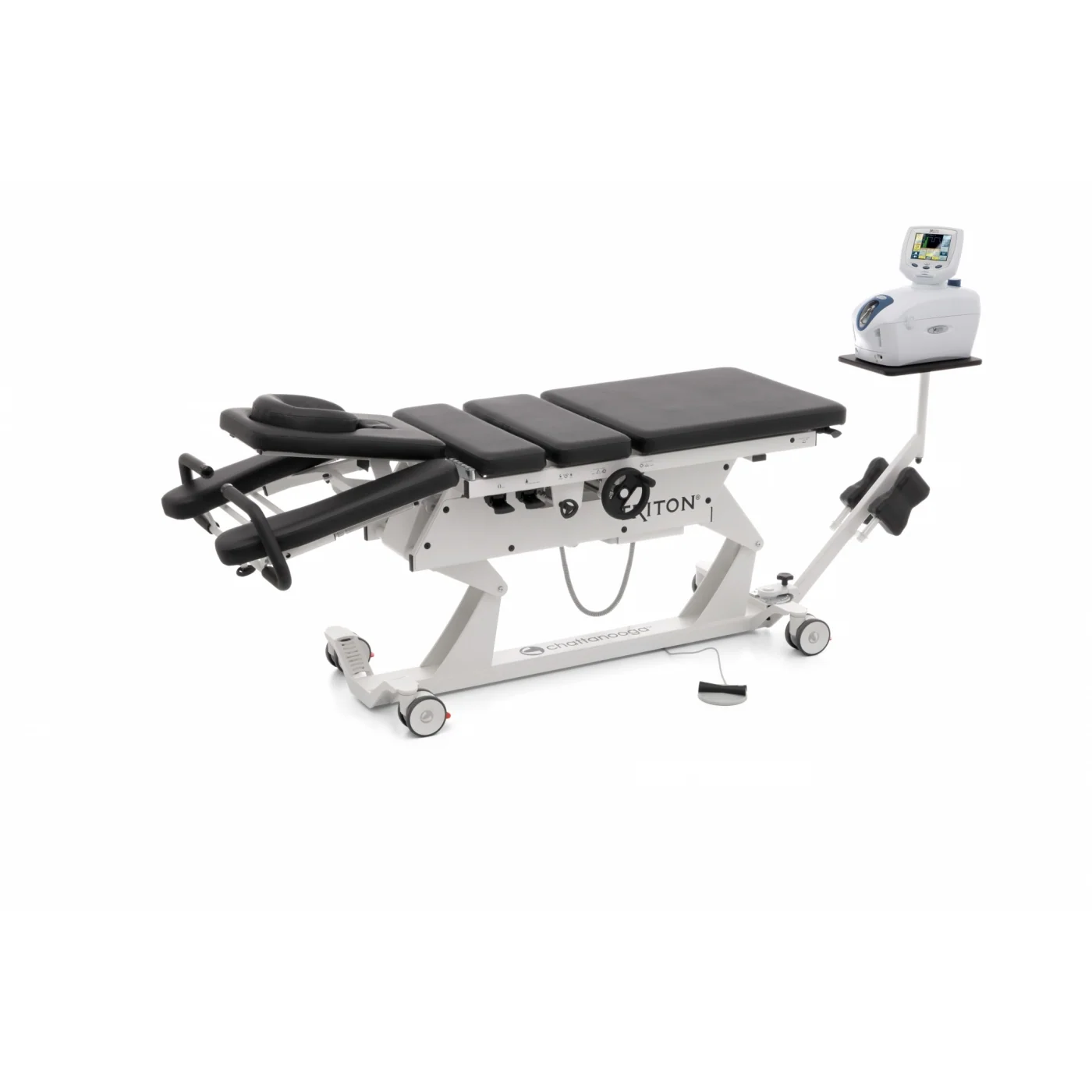
Spinal decompression gently stretches the spine to take pressure off irritated discs and nerves, which can help ease disc-related back pain and sciatica without surgery. At Restore Family Chiropractic in Ozark, Dr. Zach Fish uses the Chattanooga Triton 6M decompression table alongside specific adjustments. Here’s what the process looks like, step by step, so you know what to expect before your first session.
Step 1: Find Out If a Disc Is the Problem
Not every back pain comes from a disc, so the first step is figuring out what’s really going on. Your first visit includes an orthopedic and neurological exam, a range of motion check, and X-rays when needed.
Signs that a disc may be involved include:
- Pain that travels into the buttock or leg (sciatica)
- Numbness or tingling in the leg or foot
- Pain that gets worse with sitting, bending, or coughing
In some cases, an MRI helps confirm a herniated or bulging disc. If you already have one, bring it with you.
Getting this step right matters. Back pain from a stiff joint, a strained muscle, or a disc can feel similar, but each one responds best to a different approach. A clear diagnosis keeps you from spending weeks on care that doesn’t match the problem.
Step 2: Make Sure Decompression Is a Good Fit
Decompression works best for certain problems, like bulging or herniated discs, disc-related sciatica, and some degenerative disc changes. It isn’t the right choice for everyone.
Dr. Fish will check for conditions that rule it out, such as pregnancy, recent spinal fractures, spinal surgery with hardware, or severe bone thinning. If decompression isn’t a fit, he’ll explain why and talk through other options, including a referral if you need one.
That honesty matters to us. Our team has advanced training in decompression, and part of that training is knowing when it will help and when another approach makes more sense. You’ll always know why a treatment is being recommended before it starts.
Within 48 hours of your first visit, you’ll go over your report of findings and a plan built around your results.
Step 3: What a Decompression Session Feels Like
During a session, you lie comfortably on the table while a harness gently attaches at your hips. The Triton 6M then applies a slow, controlled pull that eases off and repeats in cycles.
Most people describe it as a gentle stretch, and many find it relaxing. The goal is to lower pressure inside the disc, giving irritated nerves some breathing room and creating a better environment for healing.
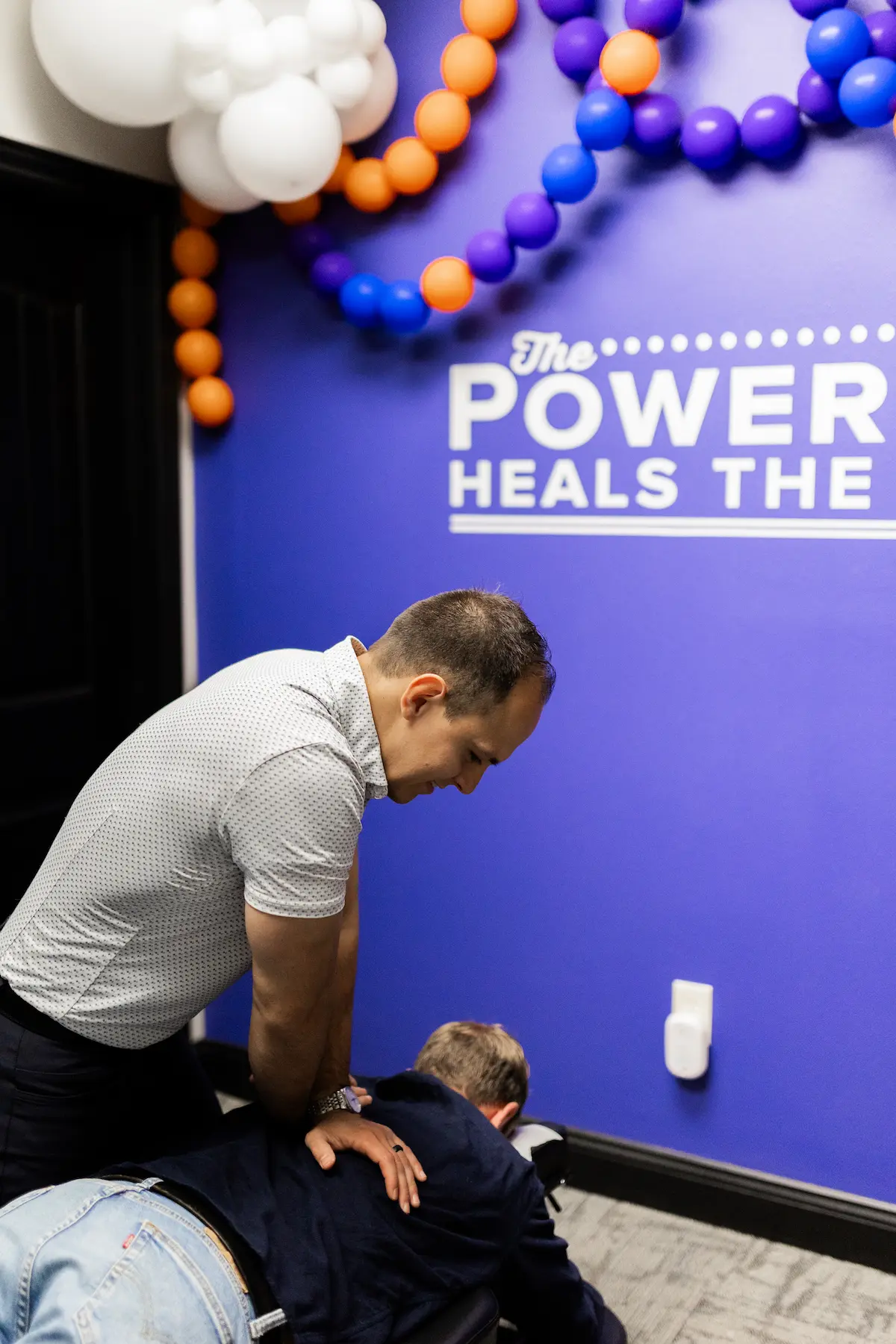
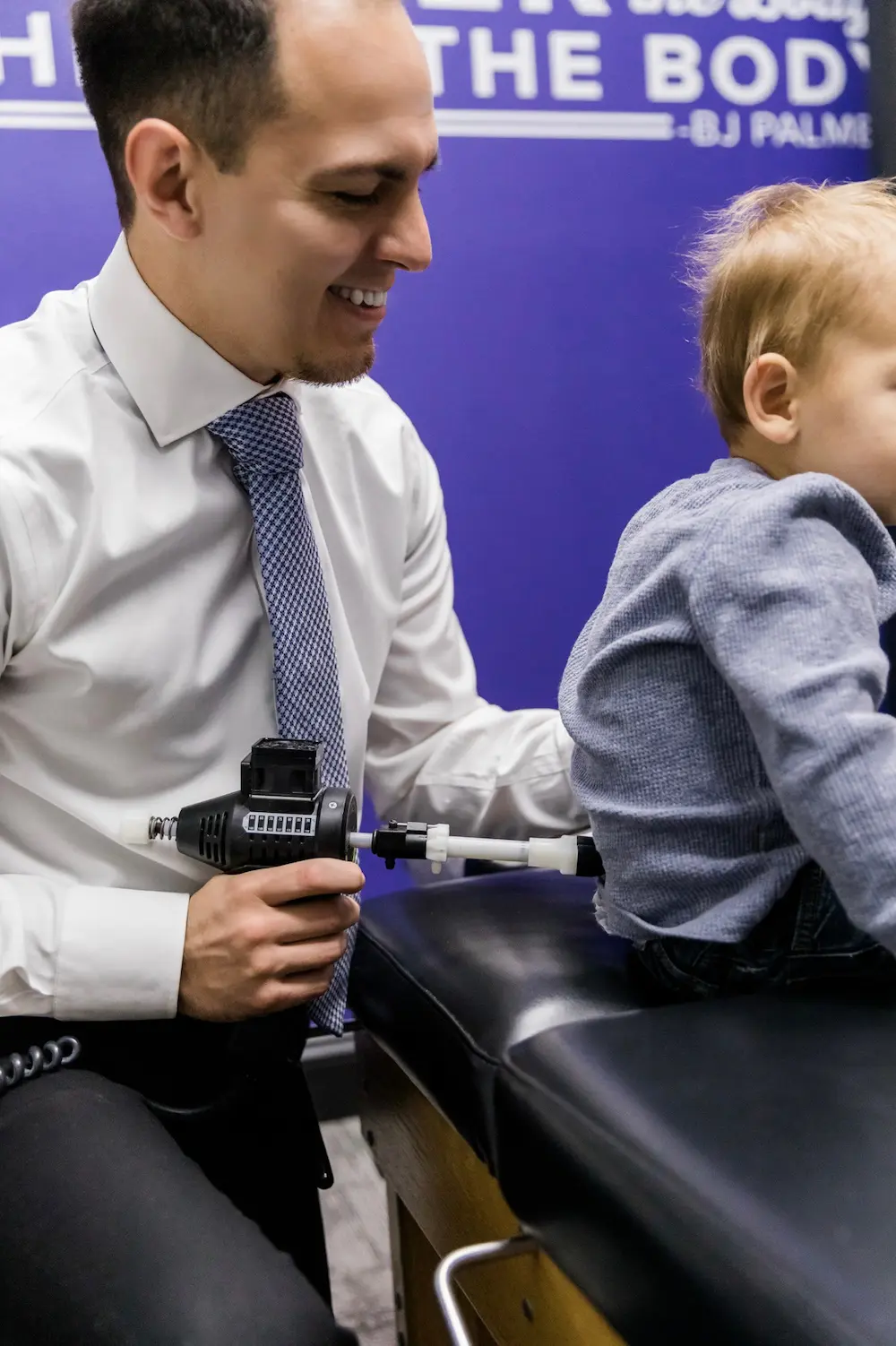
Sessions are paired with specific adjustments to help the joints around the disc move better. That combination is often what makes the difference for patients whose pain hasn’t improved with adjustments alone.
You’ll also spend time on our Intersegmental Traction table before your adjustment, which gently loosens the spine and prepares it for care. Each piece of the visit builds on the last, so your back is ready for the next step.
Step 4: Follow a Plan Over Several Weeks
Discs don’t heal overnight. Spinal decompression is usually done as a series of visits over several weeks, and progress tends to build gradually.
Some patients notice changes within the first few sessions, while others take longer. Dr. Fish tracks how you’re responding and adjusts your plan as you go, so you’re never stuck on a schedule that isn’t working.
Between visits, small changes help protect your progress. Avoid long stretches of sitting, lift with your legs, and pay attention to positions that bring your symptoms back.
As your pain settles, visits usually spread out. Many patients then move into periodic check-ins to keep their progress on track. Dr. Fish will talk with you about what that looks like based on how your disc responds.
When to Get Medical Care Right Away
Some disc symptoms need urgent attention. Go to the ER if you lose bladder or bowel control, feel numbness in the groin or inner thighs, or notice weakness in your legs that keeps getting worse.
For most people with disc pain, though, a conservative approach is a good place to start. Many patients are able to manage disc pain without surgery, and decompression can be an important part of that path.
If a bulging or herniated disc is keeping you from sitting, sleeping, or moving comfortably, our Ozark team is here to help. Contact Restore Family Chiropractic or call 417-582-7141 to find out if decompression is right for you.

Dr. Zach Fish found his passion for chiropractic after care helped him recover from a sports injury. Today, he and his team at Restore Family Chiropractic help patients of all ages in Ozark, MO find relief from back pain, neck pain, headaches, and more. His focus is finding what’s causing your discomfort, not just treating the symptoms, so you can move and feel your best.