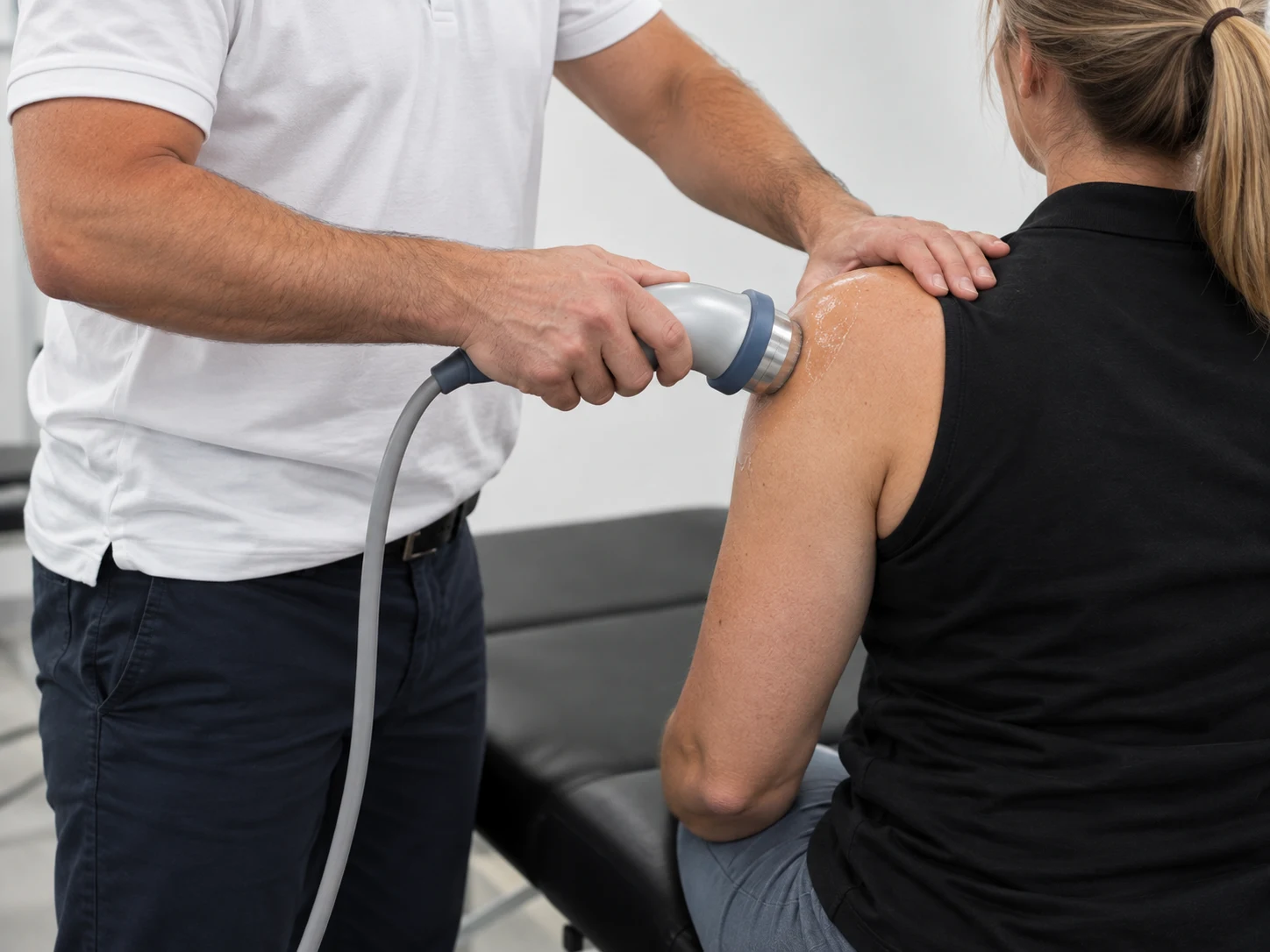
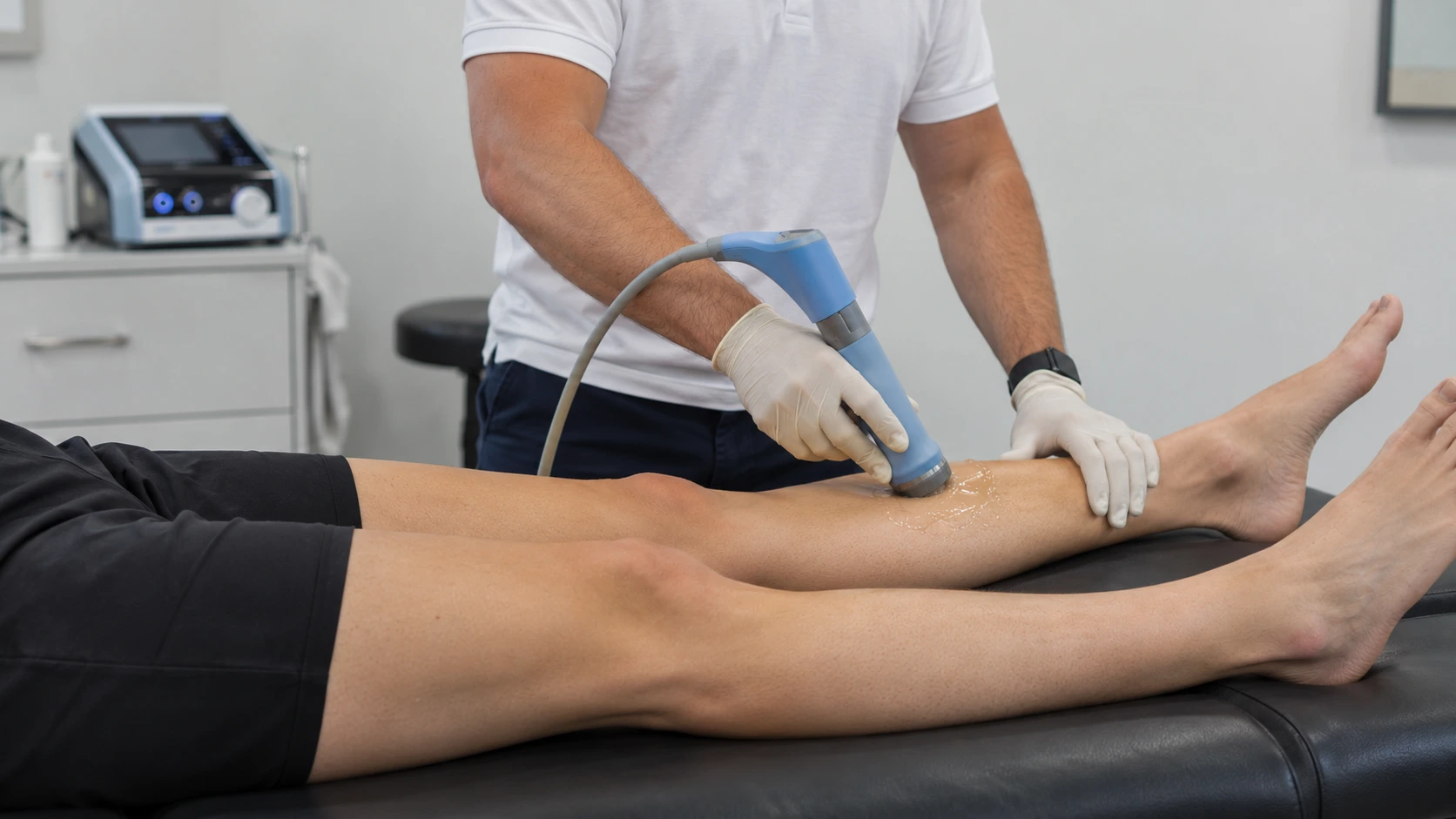
Non-Invasive Softwave Therapy in Ozark, MO
Softwave therapy uses acoustic wave technology to restart your body’s healing process, giving you a real option for chronic pain and stubborn injuries.
Softwave Therapy for Chronic Pain in Ozark, MO
Some injuries stall partway through healing, leaving chronic pain, scar tissue, or inflammation behind. Softwave uses acoustic waves to restart that repair process by increasing blood flow, breaking up scar tissue, and supporting new tissue growth.
Multiple team members are Softwave certified, and it’s one of the most requested services in the practice. It’s often the next step for patients who’ve been told to rest, manage the pain, or consider surgery.
- No surgery, no needles, no downtime
- Stimulates the body's own natural healing response
- Increases blood flow and breaks up scar tissue
- Multiple team members Softwave certified
What to Expect During a Softwave Session
Sessions are short. Most plans include several sessions over a few weeks, and Dr. Fish and the Softwave team will recommend how many based on your injury.
Symptoms Softwave Therapy Helps in Ozark
Softwave works best for chronic conditions where healing has stalled. The symptoms most commonly treated include:
Supporting recovery when soft tissue involvement is part of the picture alongside nerve compression
Addressing the soft tissue component that often builds up around a chronic disc problem
Who Is a Good Candidate for Softwave Therapy?
The ideal candidate has a chronic injury that hasn’t improved with rest, adjustments, or other care, and wants a non-surgical option first.
Chronic tendon or soft tissue injuries that haven't healed on their own
Pain that has plateaued despite other treatment
Patients wanting to avoid injections or surgery
Injuries where scar tissue or inflammation is limiting recovery
Softwave Therapy Testimonial for Low Back Pain
Softwave Therapy Testimonial for Neck and Shoulder Pain
Better Results as Part of a Full Care Plan
Frequently Asked Questions About Softwave Therapy
1. Is Softwave therapy painful?
2. How many sessions will I need?
It depends on the injury and how long you’ve had it. Most plans include several sessions over a few weeks.
3. What conditions does Softwave work best for?
It works best for chronic injuries where healing has stalled, like tendon injuries, soft tissue damage, and long-term joint pain.
4. Does insurance cover Softwave therapy?
Most insurance plans, including Medicare, don’t cover Softwave therapy. We offer payment plans and wellness packages for individuals and families, and we also accept personal injury cases.